Earlier this year I planted about 100 chilli seeds and built myself a tracker to keep tabs on them. WordPress, a pile of plugins, a lot of workarounds. It took a while, but I got there - something I was actually happy with.
A week later it ate my data.
I opened the tracker in a second browser, and because the code underneath wasn't robust enough, the whole lot got overwritten. About 40 of my chillies lost their records in one go. They're still in my garden now, growing away with no labels - my mystery plants for the season. If I'm lucky I'll identify a few once the fruit comes in.
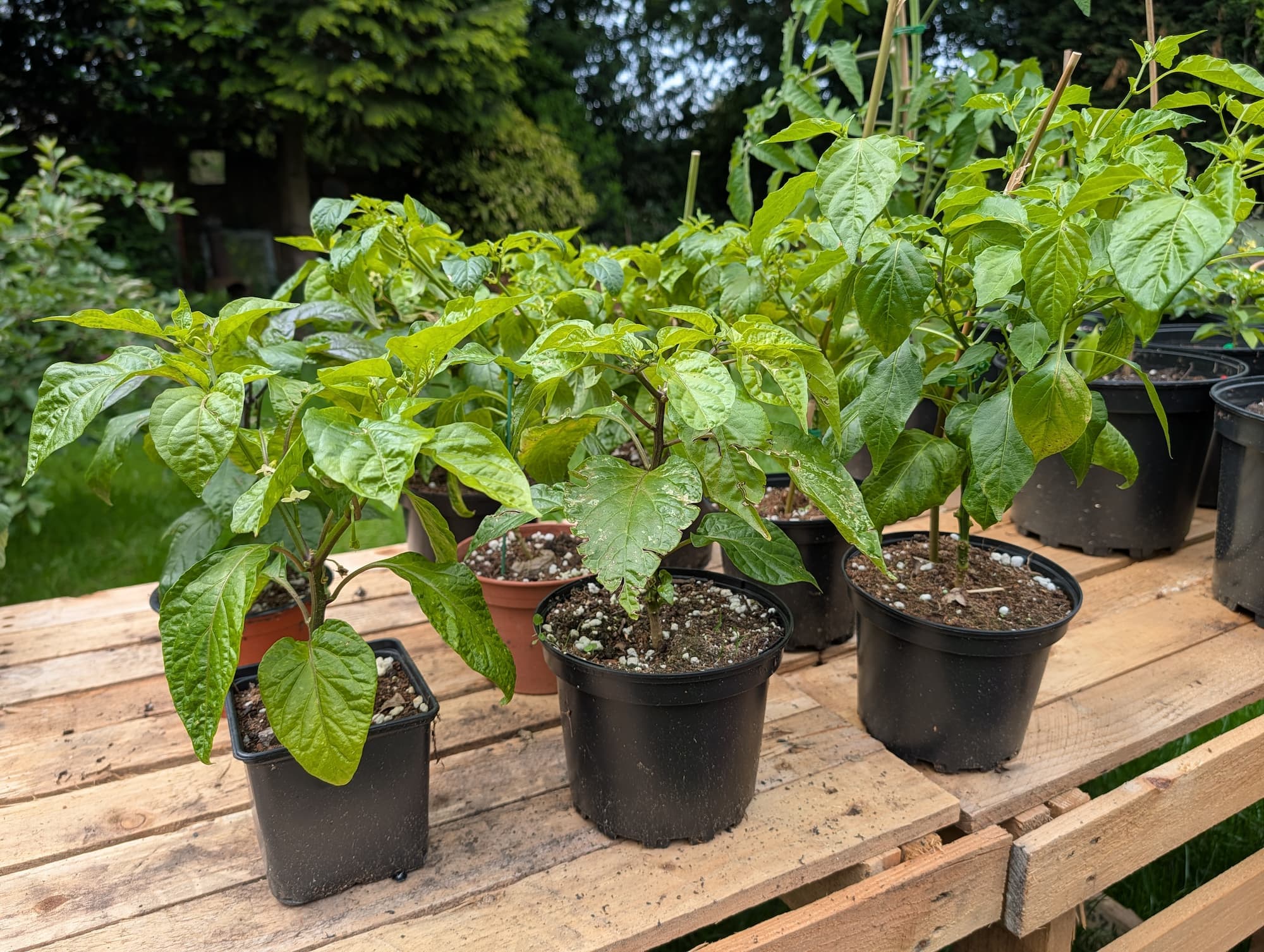
That was the moment the project changed. Losing the data was annoying. What it actually exposed was that I'd done the thing everyone does with a new tool: gone straight to building, with no real plan underneath it. So I threw it out and started again - and this time I started with Claude, and I started with thinking.
The half-day that changed the whole thing
I didn't open a build. I opened a planning session.
Before a line of anything got written, I worked through what I actually wanted - which turned out to be far more than a seed tracker. I wanted a proper database and a real engine behind it: over 100 chilli varieties with heat, flavour and growing difficulty, a compare tool, and a grow tracker that wouldn't fall over the first time I looked at it funny.
That planning took less than half a day. At the end of it I had a fully scoped project with an actual strategy behind it, not a vague idea and a blank screen. Every build session afterwards inherited that clarity - Claude always knew what the thing was, who it was for, and what good looked like.
That's the first transferable lesson, and it's the one most people skip: the planning is the build. Half a day of thinking saved me from another disaster and from months of building the wrong thing well.
I haven't written a single line of the code
I want to be precise about that, because "built with AI" has come to mean almost nothing - usually someone generated a landing page and called it a product.
The Chilli Index is a real data product: structured records across more than 100 varieties (another 25 or so going in this month), comparison logic, a tracker that follows your plants through a season. It's at thechilliindex.com. It's been built over a couple of months in my spare time, and I have not hand-written any of the code.
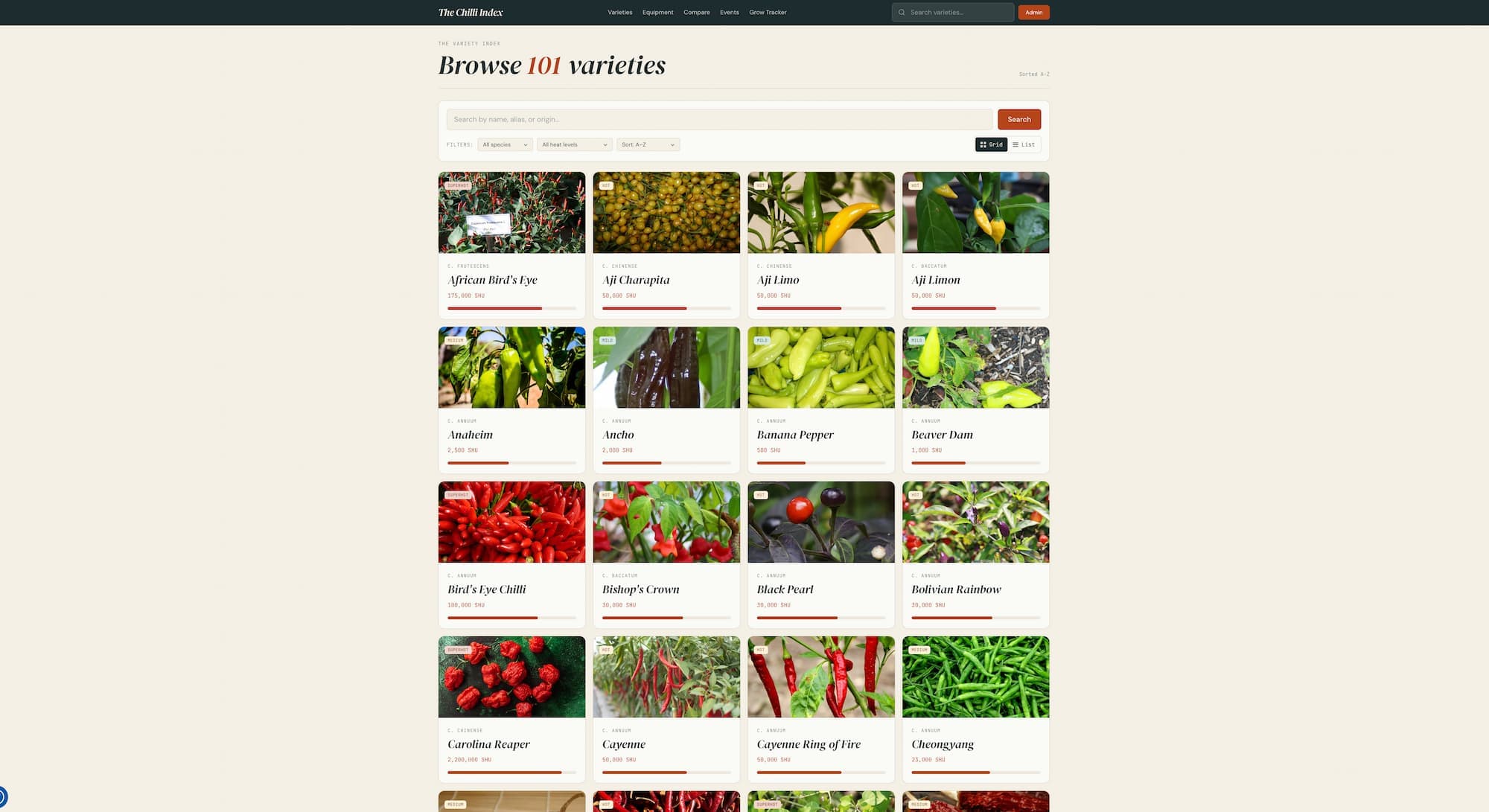
What I have done is oversee all of it. The brand, the design system, the writing, the UX, the accessibility - every decision that makes it mine ran through me. Claude was the team of experts delivering it at speed: the developer, yes, but working to my direction at every step.
Hand-written, this would have taken me over a year. I'm being honest with myself when I say I'd have given up around month two. Instead I have a product that works.
It wasn't flawless along the way. The unit of work has changed, not the need for judgement - things still came back wrong, got corrected, and went round again. But the thing that used to be a development quote and a six-week wait is now an evening of focused direction, as long as someone holds a clear picture of the product and keeps the build honest against it.
What this has to do with your business
The Chilli Index is the proof piece for what I sell as the AI Product Sprint: taking a product idea - a tool, a calculator, a database, a client portal - and shipping it, working, start to finish.
Everything that made the chilli build work transfers straight across:
- The thinking happens before the prompting. The plan, the data model, the user, the job the thing does. AI accelerates the build; it doesn't do the thinking for you. That's the part I bring.
- Direction beats generation. The output tracked my input the whole way through. A vague brief gave me a generic feature; a sharp one gave me exactly what I'd pictured.
- Shipping is the test. Anyone can produce a prototype that demos well. A real product survives real data, real use, and the unglamorous last 20% - deployment, edge cases, the boring fixes. The bad version of my tracker demoed fine. Then it lost my data.
The honest caveat: a Sprint works when the idea is genuinely scoped - a thing with a clear job and a definable shape. It isn't a route to "build me the next Airbnb". The Chilli Index works because it does a few things properly, not everything badly.
The takeaway
If you've got a product idea sitting in a notes app because a development quote made your eyes water, the economics have shifted. Not "AI builds it for you while you sleep" - that's the hype, and the hype is how you end up with 40 mystery plants. The real version: with someone directing who understands product, data and what good looks like, the build that used to be a five-figure agency job and a couple of months now costs a fraction of that and lands in half the time.
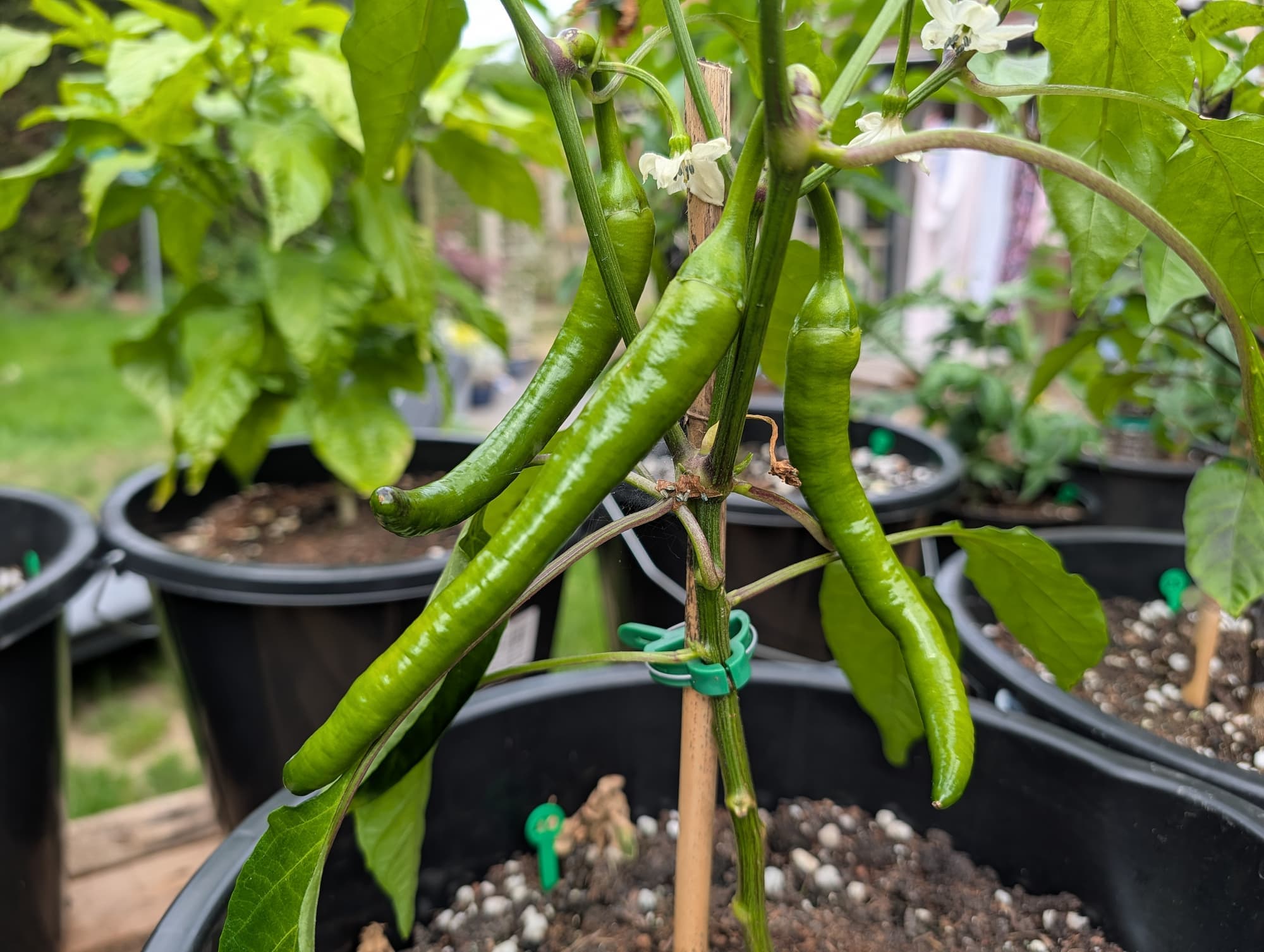
That's the AI Product Sprint. The Chilli Index is what one looks like when it's finished - go and compare a Scotch Bonnet with a Carolina Reaper and see for yourself.
If you've got an idea that fits, tell me about it. Worst case, I tell you it's not a Sprint-shaped problem - which is a cheaper thing to hear from me now than to find out six weeks into building it yourself.
See where your AI setup actually stands
The AI Scorecard - 12 questions, about 3 minutes, an honest verdict and the one thing to fix next. Including "not yet" if that's the right answer.